Common problems with Bermondsey flat rubbish collection access
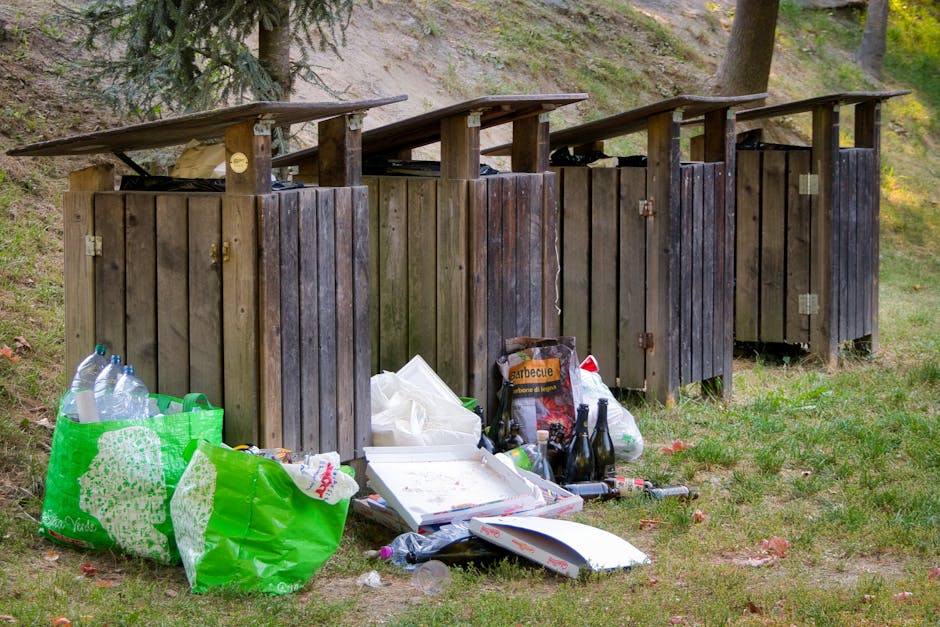
Flat rubbish collection in Bermondsey sounds simple on paper. In real life, though, access is often the part that turns a quick job into a slow, awkward one. Tight stairwells, no lift, awkward parking, shared entrances, locked doors, and busy SE1 streets can all get in the way. If you are trying to organise a collection in a Bermondsey flat, the common problems with Bermondsey flat rubbish collection access are usually less about the waste itself and more about the building, the layout, and the timing.
This guide breaks down the issues people run into, why they matter, and how to avoid the usual headaches. You will also find practical steps, a comparison table, a checklist, and a realistic example from a typical Bermondsey flat clearance scenario. No fluff. Just the stuff that helps.
Why Common problems with Bermondsey flat rubbish collection access Matters
Access problems affect more than convenience. They can change the whole shape of a rubbish collection: how long it takes, how many people are needed, whether items can be removed safely, and whether the job is completed in one visit. In Bermondsey, that matters a lot because many flats sit in converted buildings, estates, or newer developments with shared corridors and controlled entry. Some are fine. Some are a bit of a squeeze, to be fair.
If the access details are wrong, you may face delays, missed slots, extra labour, or items left behind because they could not be carried out safely. A sofa that looked easy enough from the hallway can suddenly become a problem when it meets a narrow turn at the top of the stairs. That is the sort of thing people underestimate until the van is already outside.
There is also a cost angle. Poor access usually means more time on site, and more time often means a higher charge or a second visit. Even when a provider is flexible, nobody wants the stress of trying to solve building access at 7.30 in the morning while the lift is out and a neighbour is trying to get to work. Not ideal.
Put simply, good access planning protects timing, safety, and value. It also makes the whole process feel calmer, which is not a small thing when you are dealing with a flat full of bags, broken furniture, or old bits of renovation waste.
How Common problems with Bermondsey flat rubbish collection access Works
Flat rubbish collection access is the practical route from your waste to the collection vehicle. In a house, that route is usually straightforward. In a Bermondsey flat, it may involve stairwells, lifts, communal hallways, permit restrictions, loading bays, concierge checks, or timed building entry. Every link in that chain matters.
The process generally works like this:
- You describe the waste and the access details.
- The collection provider assesses the job size, carrying distance, parking situation, and any building restrictions.
- A team arrives with the right vehicle, labour, and equipment.
- Items are carried from the flat to the vehicle, often through shared areas or via a lift if one is available.
- The waste is sorted, loaded, and taken away for disposal or recycling.
The catch is that access is often dynamic. A lift can be working in the morning and out of service by lunch. Parking can be available outside one day and blocked by deliveries the next. If you live near busy parts of Bermondsey, that can shift quickly. You may think, "It's only a few bags," but those bags still need a legal and safe way out.
There are also different access patterns depending on the property. A modern block with a concierge desk may be easier in some ways and harder in others. A converted Victorian building might have no lift but wider landings. A secure estate may have good internal space but awkward vehicle access. So there is no one-size-fits-all answer, which is why a proper pre-check helps so much.
Key Benefits and Practical Advantages
Getting flat access sorted before collection day gives you benefits that are easy to feel straight away.
- Faster removal: teams can work without stopping to improvise.
- Lower risk of damage: fewer scrapes on walls, banisters, or flooring.
- Safer handling: awkward lifts and trips are reduced.
- Clearer pricing: the quote is more likely to match the real job.
- Less disruption to neighbours: shorter carrying times and fewer blocked corridors.
- Better recycling outcomes: easier sorting when collections are planned properly.
There is also a quieter benefit: peace of mind. Once you know the access is workable, the rest of the job tends to feel lighter. You stop worrying about whether the crew will get in, whether the bags will fit through the stairwell, or whether the building manager will object halfway through. That can be worth a lot on its own.
For landlords, managing agents, and tenants, good access planning also helps avoid complaints. If a collection causes noise, congestion, or corridor blockages, it can irritate the whole floor. A tidy, well-timed collection is just easier for everyone around it.
Who This Is For and When It Makes Sense
This guidance is useful if you are a tenant clearing out a flat, a landlord handling end-of-tenancy waste, a managing agent arranging clearance for a block, or a homeowner with a Bermondsey apartment that has built up more clutter than you expected. Truth be told, the people who need this most are usually the ones who thought the job would be simple.
It makes sense when you have any of the following:
- No lift, or a lift that is too small for larger items
- Shared entry doors or concierge-controlled access
- Narrow staircases, tight corners, or low ceilings
- Restricted parking or loading near the building
- Bulky items such as wardrobes, mattresses, sofas, or appliances
- Mixed rubbish after a move, refurbishment, or tenancy change
- Time-sensitive collections before checkout, sale completion, or handover
If your flat is in a busy Bermondsey street or close to a managed estate, access planning becomes even more important. A ten-minute delay can quickly become a chain of little delays. And in London, little delays have a habit of becoming large ones.
People also benefit from this guidance when they need to compare a full flat clearance with a smaller rubbish removal visit. Sometimes the difference is not the amount of waste. It is how hard the waste is to get out.
Step-by-Step Guidance
Here is a practical way to deal with the most common access issues before collection day. Keep it simple. That usually works better.
1. Walk the route from the flat to the vehicle point
Check the actual carrying route, not just the flat itself. Look for turns, fire doors, low steps, lift restrictions, locked areas, or anything that could slow the team down. If you can carry a bulky bag through comfortably, that is useful. If you have to twist it sideways and mutter under your breath, it may need special handling.
2. Measure the awkward items
Mattresses, wardrobes, desks, and appliances can be deceptive. Measure the widest and tallest points if you can. A washing machine that fits through one door may still be impossible around a stair landing. That is one of those annoyingly British little puzzles that only appears once someone starts lifting.
3. Check building rules in advance
Some blocks require booked entry, fob access, advance notice, or use of specific service lifts. Ask the building manager or concierge what is allowed. If there are time windows for noisy work or loading, make sure the collection slot fits them.
4. Sort the waste by type
Separate general rubbish, furniture, electricals, and anything that may need special handling. This reduces confusion on the day and helps the team decide how much space and labour is needed. If you have items that fall under hazardous waste disposal, they should be flagged early because they may not be handled in the same way as normal household waste.
5. Confirm parking and loading access
Ask where the vehicle can stop, whether any permits are needed, and how far the team will need to carry items. A short walk from the van is fine. A long walk down a courtyard, across a shared car park, and through two gates is not fine unless the quote reflects it.
6. Share honest details when booking
Be upfront about stairs, no lift, narrow hallways, heavy items, and restricted access. The more accurate the information, the more likely the collection will be smooth. This is not the moment to be heroic. Nobody wins from surprise information at the front door.
7. Clear the path before the team arrives
Move smaller obstacles, shoes, umbrellas, pet items, or hallway clutter out of the way if you can. Even a little extra space makes carrying safer and quicker. One clear landing can save five awkward turns.
8. Keep keys, codes, and contacts ready
If access depends on a fob, code, or intercom, keep it close. If someone else has the key, tell the team who to contact. The most annoying delays are often not technical. They are simply about someone being downstairs, somewhere, with the only key.
Expert Tips for Better Results
In our experience, the best access jobs are not the flashy ones. They are the boringly well-prepared ones.
Tip 1: Give the route, not just the postcode. A postcode tells you the area. It does not tell you whether the lift is out or whether the waste needs carrying through three fire doors.
Tip 2: Mention the worst item first. If there is a large sofa bed, a fridge freezer, or a heavy desk, say so first. The hardest item usually dictates the rest of the job.
Tip 3: Think about timing around neighbours. Early mornings can be quieter in the street but more sensitive inside the building. Midday may be easier for access, though busier outside. There is no perfect time, just a better fit for the building.
Tip 4: Use photos where possible. A quick picture of the hallway, staircase, loading point, or pile of waste can help a lot. It is not about being fancy. It is about reducing guesswork.
Tip 5: Keep fragile shared spaces in mind. Painted walls, glass doors, old bannisters, and communal carpets can be easily marked. A careful team will work slowly, but only if they know the risk exists.
Tip 6: Allow a little breathing room. Tight schedules make every access issue feel worse. If you can avoid a back-to-back moving day and clearance day, do it. Your nerves will thank you later.
Sometimes the most useful tip is just this: treat access as part of the job, not an afterthought. It sounds obvious, but it saves a surprising amount of hassle.
Common Mistakes to Avoid
A lot of access problems come from the same handful of mistakes. Avoid these and you are already ahead.
- Underestimating staircase difficulty: A narrow turn is more serious than it looks.
- Forgetting about lift size: Many items fit in a room but not in a lift.
- Ignoring parking restrictions: Especially near busier parts of Bermondsey.
- Not checking building permission: Some developments are strict about contractor access.
- Hiding bulky items behind smaller ones: That makes planning harder and can slow the crew.
- Leaving access details until the last minute: Last-minute updates often create last-minute costs.
- Assuming all waste types can go together: Electricals, hazardous items, and ordinary rubbish may need separate handling.
One sneaky mistake is thinking that because a collection has been done before, it will work the same way again. Buildings change. Locks change. Parking changes. Even a new neighbour can alter the rhythm of a block. So yes, it is worth checking again.
Tools, Resources and Recommendations
You do not need a massive toolkit to plan rubbish access well. A few simple things help more than you might expect.
- Measuring tape: Useful for doors, corridors, lifts, and large items.
- Phone camera: Quick photos of tight spots can be shared before collection.
- Notebook or notes app: Keep access details together in one place.
- Building contact details: Concierge, managing agent, caretaker, or landlord contact.
- Item list: A rough list of what is going and what is staying.
It can also help to review service pages that explain different waste types and collection styles. For instance, if your flat includes bulky household pieces, furniture clearance and mattress and sofa disposal are useful references. If you are dealing with a wider reset of the flat, flat clearance or even home clearance may be more appropriate depending on the scope.
For larger mixed loads, waste removal can be a broader option, while what can go in a skip is helpful if you are comparing clearance with skip-based disposal. If you are trying to keep costs under control, the article on avoiding hidden rubbish removal charges in Bermondsey is worth a look.
For people who want a more sustainable approach, recycling and sustainability explains the kind of sorting and recovery that good providers should be thinking about. Small thing, maybe, but it matters.
Law, Compliance, Standards, or Best Practice
When rubbish is removed from a flat, there are a few important standards and duties to keep in mind. The details can vary by waste type and service provider, so this is best treated as general best practice rather than legal advice.
First, waste should be handled safely and transferred to the right place for treatment, reuse, recycling, or disposal. That means a provider should be clear about what they accept, how they separate materials, and how they manage anything that needs special care. If a load includes electrical items, sharp materials, chemicals, or contaminated waste, the rules can become more specific. That is why it pays to be honest at the start.
Second, access arrangements should not put people at unnecessary risk. Shared hallways, stairwells, and building entrances are common pinch points. The team should avoid blocking exits, damaging communal areas, or creating hazards for residents. In practical terms, that means good lifting technique, sensible route planning, and respect for building rules.
Third, if parking or loading is restricted, a collection should not rely on guesswork. Local rules, permits, and building policies can all affect what is possible. In Bermondsey especially, where streets and developments vary a lot, it is safer to confirm the stopping point before the day arrives.
Finally, if you are comparing providers, look for clear communication, insurance, and a sensible approach to safety. The lowest quote is not always the best value if it does not include the real access challenge. A tidy process usually tells you more than a flashy promise. We have all seen that one before.
Related pages such as insurance and safety, health and safety policy, and payment and security can help set expectations before you book.
Options, Methods, or Comparison Table
Different access situations call for different approaches. The best choice depends on the building, the waste volume, and how awkward the route is.
| Method | Best for | Strengths | Limitations |
|---|---|---|---|
| Manual flat clearance | Smaller to medium loads in accessible flats | Flexible, direct, often quicker for mixed items | Can be slow in tight stairwells or on higher floors |
| Lift-assisted removal | Buildings with suitable lifts and building permission | Reduces carrying strain, good for bulky items | Lift size, booking rules, or outages may limit use |
| Kerbside loading | Flats with easy street access nearby | Fast loading, less internal carrying distance | Parking and permit restrictions can make it difficult |
| Full flat clearance service | End-of-tenancy, probate, downsizing, or major declutter | Best for large mixed volumes and time-sensitive jobs | Needs accurate access info to quote and plan properly |
If you are unsure which method fits your flat, start by asking one simple question: what is the hardest part of getting the waste from inside the flat to the vehicle? That answer usually points you in the right direction.
Case Study or Real-World Example
A typical Bermondsey scenario goes like this. A tenant in a second-floor flat needs to clear old furniture, bags of general rubbish, and a fridge before moving out. The flat looks manageable at first glance. Then the details come out: no lift, narrow staircase, a shared entrance that needs a fob, and limited parking outside due to morning deliveries.
At first, the tenant assumes the job will only take a short while. Then they notice the wardrobe base is too wide for the stair turn unless it is dismantled. The fridge is heavy, the hallway is tight, and there is a resident trying to get past with shopping bags. You can almost hear the whole situation creak a bit.
Once the access is properly reviewed, the plan changes. The collection is booked for a time when the loading area is quieter. The waste is separated in advance. The fob is ready, the route is cleared, and the team knows about the fridge and wardrobe before arrival. The result is much calmer, with fewer delays and less stress for everyone involved.
That is really the point. Access issues are not just obstacles. They are planning signals. Once you read them properly, the whole job becomes easier to manage.
Practical Checklist
Use this checklist before you book or confirm a collection. It is simple, but it catches a lot of the usual surprises.
- Have I checked the route from the flat to the vehicle?
- Is there a lift, and is it large enough for bulky items?
- Are there stairs, narrow turns, or awkward landings?
- Do I know where the vehicle can legally stop?
- Will I need permits, keys, codes, or concierge help?
- Have I measured the largest items?
- Have I separated furniture, bags, appliances, and anything hazardous?
- Have I told the provider about any access restrictions?
- Are shared areas clear enough for safe carrying?
- Do I know whether the job is a flat clearance, a smaller removal, or a broader waste removal visit?
If you can tick most of those off, you are in good shape. If not, that is okay too. Better to spot the snag now than while someone is carrying a heavy item down the stairs.
Key takeaway: access planning is the difference between a smooth flat rubbish collection and a stressful one. In Bermondsey, where building layouts and street access vary so much, the small details really do carry weight.
Conclusion
The common problems with Bermondsey flat rubbish collection access usually come down to the same few things: awkward staircases, limited lift space, parking restrictions, building rules, and bulky items that look easier than they are. None of that is unusual. It is just part of working in real London buildings with real limitations.
The good news is that most problems can be reduced with a little planning. Walk the route, measure the awkward items, confirm building access, and be honest about the layout when booking. That alone prevents a lot of hassle, and it often makes the job cheaper and quicker too.
If you are dealing with a flat clearance, a bulky furniture pickup, or a mixed rubbish removal in Bermondsey, the safest move is to treat access as part of the job from the very beginning. Small prep now saves a lot of bother later. And honestly, that is usually the best kind of win.
Get a free quote today and see how much you can save.
Frequently Asked Questions
What are the most common access problems in Bermondsey flats?
The most common issues are narrow stairwells, no lift, restricted parking, secure entry systems, and shared hallways that make carrying bulky waste awkward. Older conversions and newer managed blocks can both cause problems, just in different ways.
Do I need to mention stairs when booking rubbish collection?
Yes. Stairs can change how many people are needed, how long the job takes, and whether certain items can be removed safely. Even one extra flight can matter when the item is heavy or awkward.
Can a rubbish collection team use the lift in my block?
Sometimes, but only if the building allows it and the lift is suitable for the items. Some lifts are too small, too fragile, or reserved for residents only. Always check first rather than assume.
What if my flat has no parking nearby?
That does not always stop the collection, but it may affect the price and timing. The team may need to carry items further, use a different loading point, or arrange the visit around parking availability.
How do I know if my item will fit through the hallway?
Measure the widest parts of the item and compare them with the tightest points in the route. Doors are one thing, but corners and stair turns often cause the real problem.
Is flat clearance different from general rubbish removal?
Usually, yes. Flat clearance is often more comprehensive and may involve clearing most or all contents of a property. General rubbish removal is often smaller and more specific, such as bags, furniture, or one-off bulky items.
What should I do with electrical items or appliances?
Let the provider know in advance. Appliances such as fridges, freezers, and washing machines may need different handling from ordinary rubbish, and access can matter even more because they are heavy and awkward.
Can access problems increase the cost?
Yes, they can. Extra labour, longer carrying distances, and difficult parking can all affect pricing. The best way to avoid surprises is to give accurate access details before the quote is confirmed.
Should I clear the hallway before the team arrives?
If you can, yes. Even moving shoes, bags, and small furniture out of the route helps. A clearer path makes the work safer and usually faster too.
What if the building manager has special rules?
Follow them. Many managed buildings have rules about booking entry, noise, service lifts, and loading times. A good collection plan should respect those rules rather than work around them.
Can I book a same-day collection if access is tricky?
Sometimes, but it depends on the size of the job and how clear the access details are. If access is uncertain, same-day work can still happen, but only if the provider has enough information to plan properly.
What is the best way to prepare for a Bermondsey flat rubbish collection?
Walk the route, check parking, measure bulky items, separate waste types, and share the details honestly when booking. That simple approach solves most access problems before they start.
When you get the access piece right, everything else tends to fall into place a lot more easily. And that, really, is the bit that makes a busy day feel manageable.